Does the Children First Act 2015 apply to my organisation?
It applies to providers of relevant services to children, which is far wider than most people expect — crèches and preschools, sports clubs, schools, youth groups, dance and drama schools, hotels and leisure centres running children's activities, and charities working with families. If you are unsure, it is a reasonable first question and it costs nothing to ask.
What does the Children First Act 2015 require of us?
The Children First Act 2015 requires a provider of a relevant service to carry out a written assessment of the risk of harm, prepare a child safeguarding statement setting out the procedures that manage each risk it identifies, appoint a relevant person — commonly called the designated liaison person — as the first point of contact, display the statement where the service operates and furnish it to anybody who asks, and review it at least every twenty-four months. The procedures the statement must specify include reporting to Tusla, recruitment, investigating allegations against staff, maintaining a list of mandated persons, and information, instruction and training for staff and volunteers. Michael does all of that work.
Is Tusla's free e-learning not enough?
Tusla's module is titled Introduction to Children First. Best practice in safeguarding training goes further than an introduction: it involves discussion, applied judgement, and some assessment of how a person would respond to a real situation. What your own organisation requires follows from your risk assessment.
We already have a safeguarding statement. Do we need anything else?
Possibly not, and Michael will say so. The test is whether your statement came from your own written risk assessment and whether the procedures named in it actually exist. If both are true you are in good order.
When does the online training open, and what will it cost?
It opens shortly. The price is published when it does, so there is no figure to quote yet and nothing to enrol in. Leave your details on the contact page and you will be told the day it is live — one message, on that day. For larger organisations the course can carry your branding, on every screen and on every certificate, and your own procedures and code of behaviour can be included; that is separate work and Michael quotes for it before anything begins.
How long does the online safeguarding training take?
Around three hours, at the learner's own pace on any device. Cara is with them throughout rather than at the end, putting situations to them and following up on what they say. The course opens shortly; this is what it will be.
Is Cara a real person?
No. Cara is an AI assessor, built on the seven criteria of judgement Michael uses himself. Learners are told before they begin. Michael sets what is assessed and how it is judged; the AI conducts the conversation and applies his criteria consistently to every learner.
What happens if somebody does not pass?
They are told what was missing and can go again. Nobody is failed on a technicality or on the wording of an answer — the assessment is about whether a child would be safer for the position they took.
Do we get a training record for our files?
Yes. Each learner will receive a certificate issued in your organisation's name, recording what was assessed rather than only that they attended.
Something has happened. Can you review it?
Yes. Independent review is a substantial part of the practice. A review may examine a specific incident and how it was handled, or assess an organisation's safeguarding arrangements as a whole. Your reporting obligations come first and are not affected by any review.
Do we have to have a Designated Liaison Person?
The Children First Act 2015 requires a provider of a relevant service to appoint a relevant person as the first point of contact in respect of the organisation's child safeguarding statement. Relevant person is the Children First Act 2015's own term; designated liaison person is the name in common use and in Tusla's guidance. Either way they must be named in the statement.
What if the concern is about our Designated Liaison Person?
Then it does not go to them, and your procedures should already say where it goes instead. If they do not, that is a gap worth closing before you need it.
Where are you based, and do you travel?
Naas, Co. Kildare, and Michael works with organisations across Ireland. Most of the work is done remotely; in-person sessions are arranged where they are worth the day.
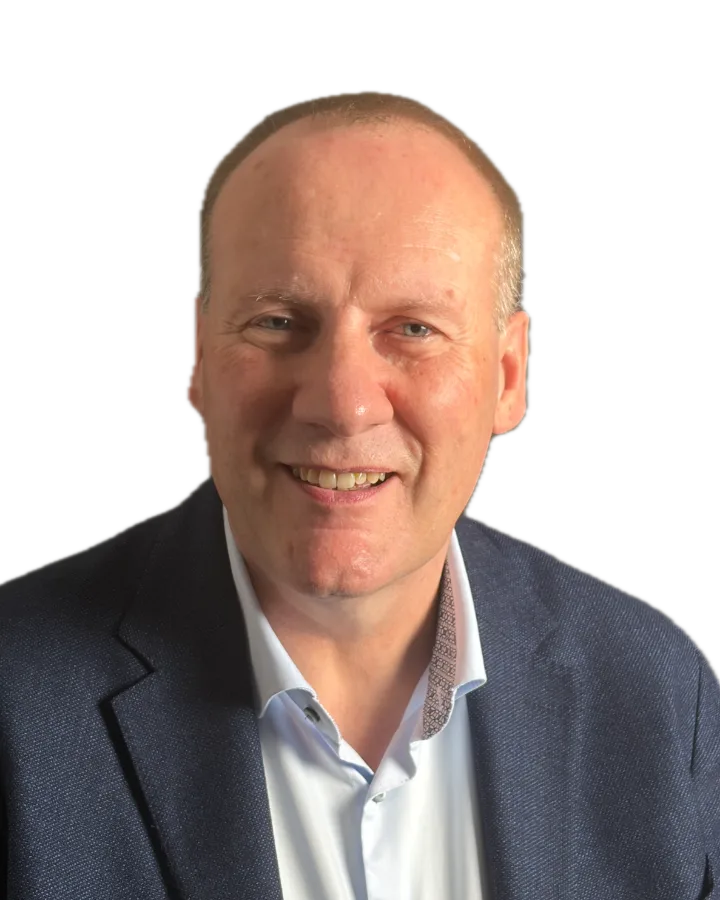
Who you would be working with
Fifteen years leading Ireland's national child protection unit.
Senior Investigating Officer with An Garda Síochána, leading three national units: the National Child Protection Unit, the Sexual Crime Management Unit and the Online Child Exploitation Unit. Ireland's National Expert to Interpol and Europol on child safeguarding.
Safeguarding policy developed with Tusla, the HSE and three government departments. M.Sc. in Child Protection and Welfare, Trinity College Dublin. More about Michael
do what you love, safely
Organisations Michael has worked with
 Tusla
 HSE
 United Nations
 Interpol
 European Commission
 GAA
 Scouting Ireland
 Teaching Council
 Dublin Rape Crisis Centre
 CARI
 Irish Red Cross
 DSPCA
 St John Ambulance
 UCD
 Trinity College Dublin
 ERA — Academy of European Law
The first conversation
Thirty minutes. No cost.
Tell Michael what you have and what you are unsure of. He will tell you what you actually need, including if that is nothing.
- Whether the Children First Act 2015 applies to you
- Where the gaps are in what you already have
- What it would cost, and what it would not