Online training · Children First
Your people talk it through. Out loud.
Michael Lynch teaches the course. Cara — an AI assessor built on Michael's criteria — puts real situations to each learner as they go, and follows up on what they say. Around three hours, at their own pace, on any device.
Tell me when it's live Opening shortly
Not open for enrolment yet. Leave your details and you will be told the day it is live — one message, on that day.
The assessment
A worked example.
Most safeguarding courses in Ireland end in multiple choice. Michael's asks each learner what they would do, and follows up on what they say.
Cara
How it runs
Cara is with them the whole way through.
Cara is an AI assessor, built on the seven criteria Michael uses himself. She is there while they learn, putting situations to them along the way and following up on what they say.
A learner is told before they begin that they are speaking to an AI, and that Michael set what it assesses and how.
Michael teaches
Around three hours in total, in their own time, on any device. Nothing to install and nothing to book.
Cara joins in
Along the way, not at the end. A situation is put to them, they answer aloud, and she follows up on the reasoning.
The record for your files
A certificate for each learner, in your organisation's name, recording what was assessed.
What is assessed
Seven criteria, all of them judgement.
Not whether a learner can name the four categories of abuse. Whether, acting on the position they have taken, a child would be safer.
Recognising a concern
Noticing what is in front of them, including when it is ambiguous
Acting on uncertainty
Passing something on without waiting to be sure
Reporting route
Who it goes to, and what to do when that person is the problem
The child's position
What is happening to the child while an adult decides
Confidentiality
What can be promised, and what cannot
Recording
What is written down, when, and in whose words
Own limits
Knowing where their responsibility ends and somebody else's begins
What a learner sees
Three hours, on any device.
Michael teaching, Cara interrupting to ask what they would do, and progress that survives being closed halfway through. Nothing to install and nothing to book.
What ambiguity actually looks like
Most concerns do not arrive as a disclosure. They arrive as something small that does not sit right, and the question is what you do with it.
Cara · AI assessor
Before we go on — a child pulls away when an adult puts a hand on their shoulder. What, if anything, concerns you?
Assessed so far
Progress saves as you go. Close it on the bus and pick it up at work.
Your dashboard
Who is trained, at a glance.
The question a manager is actually asked is “can you show me who is trained?” — usually by somebody standing in front of them. Your organisation will get one page that answers it.
Your people
Certificates issued in your organisation's nameCertificate issued
Síle Ní Bhriain
Assessed across seven criteria of judgement.Naas Community Crèche · 13 August 2026
Certificates will be issued in your organisation's name and can be downloaded at any time, individually or all at once. A certificate lasts three years. The dashboard will show who is coming up for renewal before anybody has to remember.
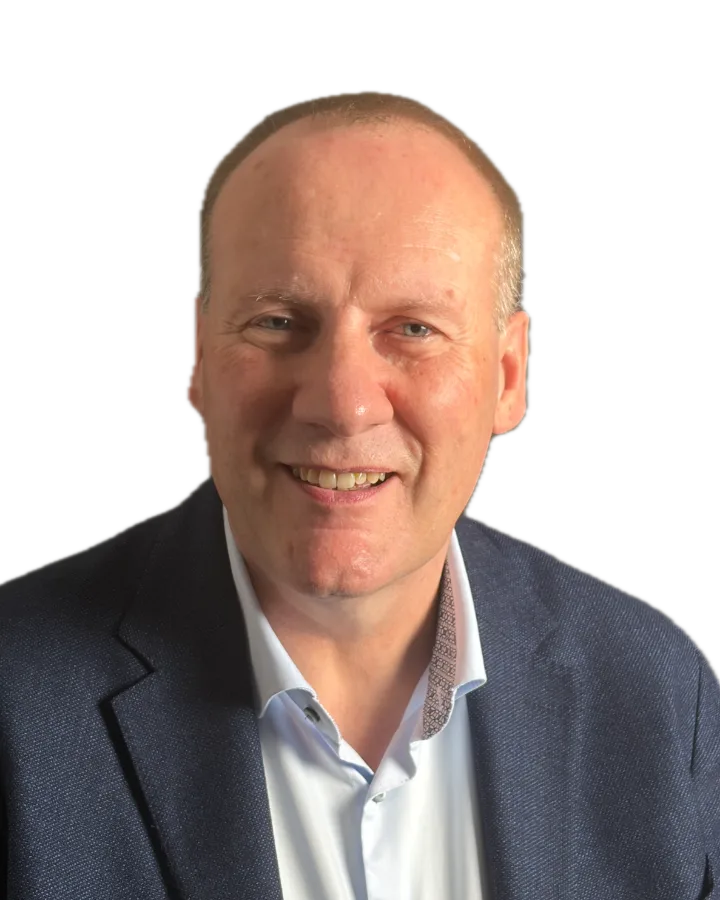
Who you would be working with
Fifteen years leading Ireland's national child protection unit.
Senior Investigating Officer with An Garda Síochána, leading three national units: the National Child Protection Unit, the Sexual Crime Management Unit and the Online Child Exploitation Unit. Ireland's National Expert to Interpol and Europol on child safeguarding.
Safeguarding policy developed with Tusla, the HSE and three government departments. M.Sc. in Child Protection and Welfare, Trinity College Dublin. More about Michael
do what you love, safely

Organisations Michael has worked with
 Tusla
 HSE
 United Nations
 Interpol
 European Commission
 GAA
 Scouting Ireland
 Teaching Council
 Dublin Rape Crisis Centre
 CARI
 Irish Red Cross
 DSPCA
 St John Ambulance
 UCD
 Trinity College Dublin
 ERA — Academy of European Law
Answers
Questions we're asked most.
Is Tusla's free e-learning not enough?
Tusla's module is titled Introduction to Children First. Best practice in safeguarding training goes further than an introduction: it involves discussion, applied judgement, and some assessment of how a person would respond to a real situation. What your own organisation requires follows from your risk assessment.
What does the Children First Act 2015 require of us?
The Children First Act 2015 requires a provider of a relevant service to carry out a written assessment of the risk of harm to children availing of it, and to prepare a child safeguarding statement setting out the procedures that manage each risk identified. Those procedures must cover reporting concerns to Tusla, recruitment and selection, investigating allegations against staff, maintaining a list of mandated persons, and providing information, instruction and training to staff and volunteers. The provider must also appoint a relevant person — commonly called the designated liaison person — as the first point of contact, display the statement where the service operates, furnish it to anybody who asks, and review it at least every twenty-four months. Separately, mandated persons named in Schedule 2 have a personal duty to report to Tusla and to assist Tusla if asked.
What if somebody does not pass the training?
They are told what was missing and can go again. Nobody is failed on a technicality or on the wording of an answer — the assessment is about whether a child would be safer for the position they took.
Do we get a training record for our files?
Yes. Each learner will receive a certificate issued in your organisation's name, recording what was assessed rather than only that they attended.
Can people do the course on a phone?
Yes. Any device with a browser and a microphone. Nothing to install.
How long is a certificate from Michael Lynch Safeguarding valid?
Three years. The dashboard will show who is coming up for renewal. A renewal is the course taken again.
We are a large organisation. Can you do a rollout?
Over a thousand people, the course will carry your branding — on every screen your people see, and on every certificate. Your own procedures and code of behaviour can also be included. That is separate work, and Michael will quote for it before anything begins.
Related reading: is Tusla's free e-learning enough?, the Children First Act 2015 explained, and what a child safeguarding statement must contain.
The first conversation
Thirty minutes. No cost.
Tell Michael how many people you need trained and what your organisation does. He will tell you whether the course fits, including if it does not.
- Whether your people need more than an introduction
- How a rollout would work across your organisation
- What the record looks like for your files